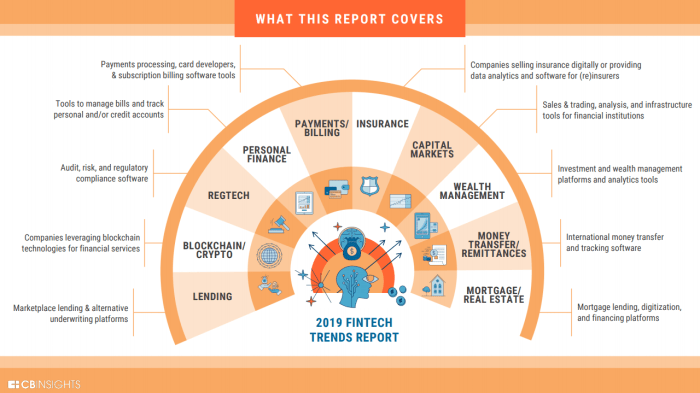
latest fintech innovations 2025 sets the stage for this enthralling narrative, offering readers a glimpse into a story that is rich in detail and brimming with originality from the outset.
As we venture into the ever-evolving world of financial technology, this year promises a wave of groundbreaking advancements. From the rise of artificial intelligence and machine learning to the emergence of innovative startups, the fintech landscape is transforming the way we manage and interact with our finances. In this exploration, we will dive into the pivotal technologies, the necessity of finance licenses, the evolving roles within the finance sector, and much more.
Latest Fintech Innovations in 2025
The fintech landscape is continually evolving, and 2025 is poised to bring forth breakthroughs that redefine how we interact with financial services. Emerging technologies such as blockchain, artificial intelligence (AI), and advanced machine learning are at the forefront of these innovations, driving efficiency and improving user experiences.
Emerging Technologies Shaping Fintech
In 2025, several key technologies are making a significant impact on fintech operations, including:
- Blockchain Technology: Blockchain is being utilized for secure transactions and decentralized finance (DeFi), allowing users to gain more control over their assets.
- Artificial Intelligence: AI algorithms are being used for everything from personalized financial advice to fraud detection, enhancing security and customer service.
- Machine Learning: Machine learning models are refining risk assessment processes, enabling quicker loan approvals and tailored insurance products.
Innovative Fintech Startups
Several startups are breaking ground with their innovative solutions in 2025:
- Finex: A startup focusing on cross-border payments using blockchain to lower transaction fees.
- InsurTech 360: This company uses AI to auto-generate personalized insurance quotes based on user data and behavior.
- LoanSmart: A platform leveraging machine learning to analyze creditworthiness in real-time, drastically reducing the loan approval timeframe.
Impact of AI and Machine Learning
The integration of AI and machine learning into financial services is reshaping the industry:
- Enhanced User Experiences: AI chatbots are providing 24/7 customer support, resolving issues promptly and efficiently.
- Data-Driven Decisions: Financial institutions are utilizing machine learning for predictive analytics, which helps in crafting more effective investment strategies.
- Risk Management: AI-driven risk assessment tools are enhancing the accuracy of credit scoring and fraud detection.
Importance of Finance Licenses
Regulatory compliance is a cornerstone of stability in the fintech sector, and obtaining the right finance licenses is crucial for companies aiming to operate legally and efficiently. As the industry grows, understanding the licensing landscape will help fintech firms navigate potential pitfalls.
Regulatory Requirements
Fintech companies must adhere to various regulatory requirements to obtain finance licenses, including:
- Capital Adequacy: Firms must demonstrate sufficient capital to cover operational risks and liabilities.
- Compliance Checks: Background checks and audits ensure that companies adhere to financial regulations.
- Consumer Protection Standards: Licenses often require companies to implement measures that protect customer data and financial assets.
Role of Finance Lawyers
Finance lawyers play a pivotal role in the licensing process:
- Legal Guidance: They provide essential advice on regulatory compliance and help prepare necessary documentation.
- Negotiation with Regulators: Lawyers often negotiate terms with regulatory bodies to ensure that fintech companies meet all legal requirements.
- Dispute Resolution: In case of compliance issues, finance lawyers assist in resolving disputes with regulatory authorities.
Types of Finance Licenses
There are several types of finance licenses, each serving a unique purpose within the fintech ecosystem:
- Money Transmitter License: Essential for companies that facilitate money transfers and payments.
- Broker-Dealer License: Required for firms involved in the buying and selling of securities.
- Investment Advisor License: Necessary for companies providing investment advice.
Role of Finance Professionals in Fintech
As fintech continues to grow, the demand for skilled finance professionals is skyrocketing. The unique intersection of finance and technology creates various career opportunities for individuals equipped with the right skill set.
Key Skills and Competencies
In today’s fintech landscape, finance professionals must possess a blend of traditional finance skills and tech-savvy capabilities:
- Data Analysis: Proficiency in analyzing financial data and extracting actionable insights is crucial.
- Technological Proficiency: Familiarity with fintech tools and platforms enhances operational efficiency.
- Regulatory Knowledge: Understanding compliance and regulatory frameworks is vital for navigating the industry.
Finance Careers in Fintech
The fintech sector offers a diverse range of career opportunities, including:
- Financial Analyst: Analyzes data to support investment decisions and business strategies.
- Compliance Officer: Ensures adherence to regulatory standards and internal policies.
- Product Manager: Oversees the development and launch of fintech products, focusing on market needs.
Evolution of Finance Jobs
With the rise of fintech, traditional finance jobs are evolving to incorporate technology:
- Hybrid Roles: Many positions now require a combination of finance knowledge and tech skills.
- Remote Work Opportunities: The digital nature of fintech has increased flexibility in work arrangements.
- Focus on Innovation: Professionals are encouraged to innovate and adapt to new technologies to stay competitive.
Overview of Finance Companies
Numerous finance companies are leading the charge in fintech innovation in 2025. These companies are adapting their strategies to remain competitive in a rapidly changing environment.
Leading Finance Companies
Some of the most notable finance companies in the fintech landscape include:
- PayPal: Continues to innovate in payment solutions with new features like cryptocurrency integration.
- Square: Expanding its ecosystem by integrating point-of-sale systems with banking services.
- Robinhood: Pioneering commission-free trading while introducing new investment products.
Strategies for Adaptation
To thrive in the evolving fintech landscape, companies are employing several strategies:
- Embracing Automation: Companies are automating processes to improve efficiency and reduce costs.
- Investing in R&D: Continuous investment in research and development is key to staying ahead of technological advances.
- Customer-Centric Approach: Focusing on user experience and customer feedback drives product improvements.
Case Studies of Success
Several finance companies have successfully embraced fintech advancements:
- Chime: This neobank has gained significant market share by offering no-fee banking services and budgeting tools.
- Stripe: Revolutionizing online payment processing, Stripe has become essential for e-commerce businesses.
- Affirm: Innovating in point-of-sale financing, Affirm has transformed the way consumers access credit.
Basics of Finance in the Context of Fintech
Understanding fundamental finance concepts is essential for anyone working in fintech. These basics form the foundation upon which innovative solutions are built, enabling professionals to create effective financial products and services.
Fundamental Finance Concepts
Here are some key finance concepts that every fintech professional should grasp:
- Time Value of Money: The principle that a dollar today is worth more than a dollar in the future due to its potential earning capacity.
- Risk and Return: Understanding the relationship between risk and expected return is critical for investment strategies.
- Diversification: The practice of spreading investments across various assets to mitigate risk.
Importance of Finance Basics
The basics of finance are crucial when designing fintech solutions:
- Informed Decision-Making: A solid grasp of finance aids in making informed decisions regarding product offerings.
- Sustainable Growth: Understanding fundamental concepts provides insights into achieving long-term business success.
- Effective Communication: Knowledge of finance enhances communication with stakeholders and clients.
Application of Basic Finance Principles
Examples of how basic finance principles are applied in fintech innovations include:
- Loan Calculators: Many fintech platforms utilize the time value of money to provide users with loan repayment estimates.
- Investment Apps: Apps like Acorns use diversification principles to create balanced portfolios for users.
- Risk Assessment Models: Fintech companies implement risk-return analysis to offer tailored loan options.
Finance Division and Its Role in Fintech
The finance division is a critical component of any fintech organization, providing the financial expertise needed to support operations and drive growth. Understanding its structure and responsibilities is essential for ensuring efficacy within the organization.
Structure of the Finance Division
The finance division typically consists of several key roles, including:
- Chief Financial Officer (CFO): Responsible for overall financial strategy and oversight.
- Financial Analysts: Tasked with analyzing financial data and generating reports.
- Accountants: Manage financial records and compliance with standard accounting practices.
Functions and Responsibilities
The finance division supports fintech operations through various functions:
- Budgeting and Forecasting: Developing budgets and forecasts to guide the company’s financial direction.
- Financial Reporting: Producing financial statements that reflect the company’s performance.
- Cash Flow Management: Monitoring cash flow to ensure operational liquidity and sustainability.
Adapting to Technological Changes
The finance division must adapt to rapid technological changes:
- Implementing Financial Software: Adoption of advanced financial software tools for better data management.
- Automation of Processes: Automating routine tasks to enhance efficiency and reduce manual errors.
- Data Analytics: Utilizing data analytics to refine financial strategies and improve decision-making.
The Role of the Finance Minister in Fintech Regulation
Finance ministers are instrumental in establishing the regulatory framework that governs the fintech sector. Their decisions significantly influence the growth and stability of the industry.
Responsibilities of the Finance Minister
The finance minister’s responsibilities in fintech regulation include:
- Policy Development: Crafting policies that promote innovation while safeguarding consumer interests.
- Regulatory Oversight: Ensuring compliance with financial regulations and facilitating dialogue between government and fintech firms.
- Incentivizing Growth: Developing programs to encourage investment and development within the fintech sector.
Recent Initiatives
Finance ministers have introduced various initiatives to support fintech innovation:
- Funding Programs: Granting funds for fintech startups to help them scale their operations.
- Sandbox Environments: Establishing regulatory sandboxes that allow fintech firms to test products in a controlled environment.
- Collaborations with Industry: Partnering with fintech leaders to create conducive regulatory frameworks.
Government Regulation and Fintech Growth
The relationship between government regulation and fintech growth is complex:
- Balanced Approach: Striking a balance between regulation and innovation is essential for fostering a healthy fintech ecosystem.
- Consumer Trust: Effective regulation builds consumer trust, which is vital for fintech adoption.
- Global Competitiveness: A supportive regulatory environment can enhance a country’s competitiveness in the global fintech landscape.
Finance Transformation in the Digital Age
The digital age is driving significant transformations in finance, with fintech at the center of this shift. Understanding the trends and strategies behind this evolution is crucial for organizations aiming to thrive.
Trends Driving Finance Transformation
Several key trends are driving finance transformation in the fintech sector:
- Digital Payment Solutions: The move towards cashless transactions is reshaping payment landscapes.
- Cloud Computing: Cloud technology is enabling scalable solutions that enhance operational flexibility.
- Blockchain Adoption: Increased use of blockchain solutions is improving transparency and security in transactions.
Success Stories of Companies
Numerous companies have successfully undergone finance transformation:
- American Express: Innovated its services by integrating AI-driven customer insights into its offerings.
- Visa: Expanded its digital payment solutions to cater to the increasing demand for contactless payments.
- Goldman Sachs: Launched Marcus, a digital bank, embracing a technology-first approach to attract a new customer base.
Roadmap for Finance Transformation
A successful roadmap for finance transformation in a fintech context includes:
- Assess Current Capabilities: Conducting a thorough assessment of existing financial operations.
- Define Transformation Goals: Establishing clear objectives aligned with overall business strategy.
- Implement Technology Solutions: Adopting technology that enhances efficiency and improves service delivery.
Finance Technology Trends in 2025
As we move into 2025, the finance technology landscape continues to evolve, with several trends emerging that promise to reshape traditional finance practices. Understanding these trends is essential for industry stakeholders.
Top Finance Technology Trends
The following trends are expected to dominate the finance technology scene in 2025:
- Decentralized Finance (DeFi): DeFi platforms are growing, allowing users to conduct financial transactions without intermediaries.
- AI-Driven Investment Platforms: Automated investment platforms using AI to tailor portfolios based on individual risk profiles.
- RegTech Solutions: Technologies designed to help financial firms comply with regulations efficiently are gaining traction.
Implications for Traditional Finance Practices
The implications of these trends for traditional finance practices include:
- Increased Competition: Traditional banks face growing competition from agile fintech startups.
- Shift in Customer Expectations: Customers demand faster, more personalized services.
- Need for Adaptation: Financial institutions must adapt to remain relevant and meet evolving market demands.
Comparison of Traditional and Innovative Approaches
Here’s a comparison of traditional finance methods versus innovative fintech approaches:
| Aspect | Traditional Finance | Innovative Fintech |
|---|---|---|
| Transaction Speed | Days | Instant |
| Fees | High | Low to None |
| Accessibility | Limited | Global Access |
Understanding Finance Statements in Fintech
Accurate finance statements are essential for fintech companies as they provide a clear picture of financial health and are critical for decision-making and regulatory compliance.
Importance of Accurate Finance Statements
Accurate finance statements are crucial for several reasons:
- Investment Attractiveness: Investors rely on clear financial data to make informed investment decisions.
- Regulatory Compliance: Proper statements ensure compliance with regulatory requirements and standards.
- Operational Insights: These statements provide insights into operational efficiency and profitability.
Types of Finance Statements
The main types of finance statements relevant to fintech include:
- Income Statement: Shows revenue, expenses, and profit over a specific period.
- Balance Sheet: Provides a snapshot of assets, liabilities, and equity at a particular point in time.
- Cash Flow Statement: Tracks the inflows and outflows of cash, indicating liquidity.
Challenges in Preparing Finance Statements
Fintech companies often face challenges in preparing finance statements:
- Data Integration: Compiling data from various sources can be complex and time-consuming.
- Regulatory Changes: Keeping up with evolving regulations can complicate compliance in financial reporting.
- Technology Adaptation: Transitioning to sophisticated financial reporting tools may require significant investment and training.
Role of Finance Specialists in Fintech
Finance specialists play a vital role in the success of fintech organizations. Their expertise is essential in navigating the complex financial landscape and ensuring organizational objectives are met.
Specific Roles of Finance Specialists
Finance specialists undertake various roles within fintech organizations:
- Financial Modeling: Developing models to forecast revenues and expenses, aiding strategic planning.
- Risk Assessment: Evaluating potential financial risks and developing mitigation strategies.
- Performance Analysis: Analyzing financial performance to identify trends and opportunities for improvement.
Qualifications and Training
The qualifications and training required for finance specialists include:
- Educational Background: A degree in finance, accounting, or a related field is typically required.
- Certifications: Credentials such as CFA or CPA can enhance employment prospects.
- Continuous Learning: Staying updated on industry trends and advancements is essential for long-term success.
Contribution to Fintech Success
Finance specialists contribute to fintech success in several ways:
- Driving Efficiency: Their expertise helps streamline financial processes and improve accuracy.
- Strategic Insights: Finance specialists provide insights that inform business strategies and financial planning.
- Strengthening Compliance: They ensure adherence to regulatory standards, reducing the risk of penalties.
Developing a Finance Strategy for Fintech
Creating an effective finance strategy is essential for fintech firms aiming for sustainable growth and competitive advantage. A well-structured finance strategy aligns with the overall business goals and navigates the complexities of the fintech environment.
Framework for Developing Finance Strategy
A robust framework for developing a finance strategy in a fintech company includes:
- Market Analysis: Understanding market dynamics and identifying potential growth opportunities.
- Financial Modeling: Creating financial models that support business planning and forecasting.
- Risk Management: Developing risk assessment frameworks to identify and mitigate financial risks.
Key Components of a Fintech Finance Strategy

Every fintech finance strategy should include the following components:
- Budgeting: Establishing budgets that align with strategic objectives and operational needs.
- Investment Planning: Identifying investment opportunities that contribute to growth and innovation.
- Performance Metrics: Defining key performance indicators (KPIs) to measure financial success and guide decision-making.
Case Studies of Successful Finance Strategies
Several fintech firms have successfully implemented finance strategies that led to growth:
- TransferWise: Simplified its pricing structure, improving customer transparency and driving user growth.
- N26: Focused on user-centric design and low fees to capture market share in the digital banking space.
- SoFi: Diversified its offerings to include personal loans, mortgages, and investment products, increasing revenue streams.
Closing Notes
In summary, the latest fintech innovations of 2025 are not just reshaping the financial landscape; they are also defining the future of how we approach financial services. With a blend of cutting-edge technology and a commitment to regulatory compliance, the industry is poised for a transformation that promises to enhance efficiency and accessibility for consumers and businesses alike. As we look ahead, it is clear that finance professionals, regulators, and innovators must work hand in hand to navigate this exciting journey.
Q&A
What are the key technologies in fintech for 2025?
Key technologies include artificial intelligence, machine learning, blockchain, and advanced analytics.
Why are finance licenses important for fintech companies?
Finance licenses ensure compliance with regulatory standards, fostering trust and credibility in financial services.
What skills are essential for finance professionals in fintech?
Essential skills include data analysis, fintech product knowledge, regulatory understanding, and adaptability to technology.
How is AI impacting fintech innovations?
AI enhances customer service, improves risk assessment, and automates complex financial processes.
What role do finance ministers play in fintech regulation?
Finance ministers shape policies that support innovation while ensuring consumer protection and market stability.


